
Why Employee Handbook Acknowledgements Are No Longer Enough in 2026
For years, businesses have relied on a simple compliance step: issuing an employee handbook and collecting a signed acknowledgment form. But recent legal developments suggest that this approach may no longer provide adequate protection.
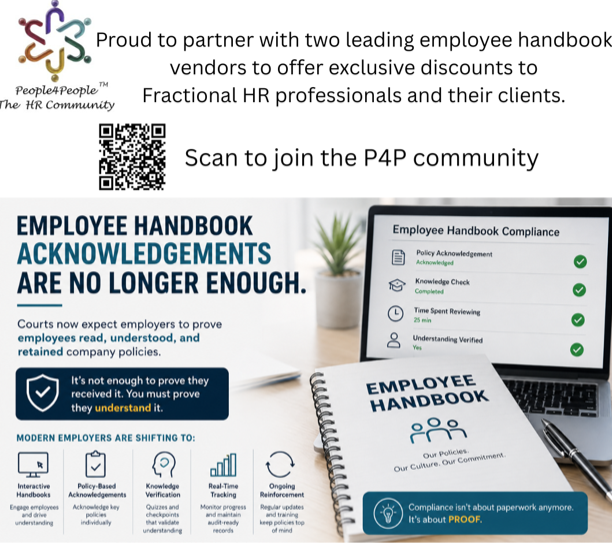
A judicial ruling has highlighted a critical gap—employers may now be held accountable if they cannot prove that employees not only received the handbook, but also read and understood its contents.
This shift is redefining how organizations approach employee handbook compliance, HR risk management, and workplace policy enforcement.
The Compliance Risk Employers Are Overlooking
A signed acknowledgment form confirms receipt—but it does not verify comprehension.
In legal disputes involving workplace misconduct, harassment policies, or termination decisions, this distinction matters. Courts are increasingly expecting employers to demonstrate that employees had a clear understanding of company policies.
Without this proof, even well-documented policies may fail to protect the organization.
Moving Beyond Passive Acknowledgement
To strengthen compliance and reduce legal exposure, businesses must adopt a more proactive approach to employee policy management.
Here are key strategies:
1. Interactive Employee Handbooks
Digital, interactive handbooks encourage engagement and make it easier to track employee activity and completion.
2. Policy-Based Acknowledgements
Instead of a single signature, require employees to acknowledge critical policies individually, such as anti-harassment, code of conduct, and workplace safety.
3. Knowledge Verification Tools
Short quizzes or checkpoints can validate understanding and create documented proof of comprehension.
4. Real-Time Tracking and Reporting
Modern HR platforms allow employers to monitor who has reviewed policies, how long they spent, and whether they completed required steps.
5. Ongoing Policy Reinforcement
Compliance is not a one-time event. Regular updates and refresher training help ensure employees remain informed and aligned.
Turning Compliance into a Strategic Advantage
Forward-thinking organizations are transforming their employee handbooks into powerful tools for employee engagement, compliance training, and organizational alignment.
A well-structured handbook can:
Reduce workplace disputes
Improve policy awareness
Strengthen company culture
Enhance legal protection
How People4People Supports Modern HR Compliance
At People4People, TU Jacobs and her team understand that compliance must evolve with today’s workplace demands. That’s why they have partnered with two leading employee handbook vendors to provide exclusive discounts for fractional HR professionals and their clients.
These solutions help organizations:
Digitize and modernize employee handbooks
Track employee engagement and understanding
Maintain audit-ready compliance records
Final Thoughts
In today’s legal environment, it’s not enough to prove that policies were distributed—you must prove they were understood.
If your organization is still relying on traditional acknowledgment forms, now is the time to rethink your approach to HR compliance and employee handbook management.
Because when it comes to protecting your business, documentation alone is no longer enough—demonstration is everything.